Celebrating Black voices in finance
Experts and advocates for financial inclusion and equity
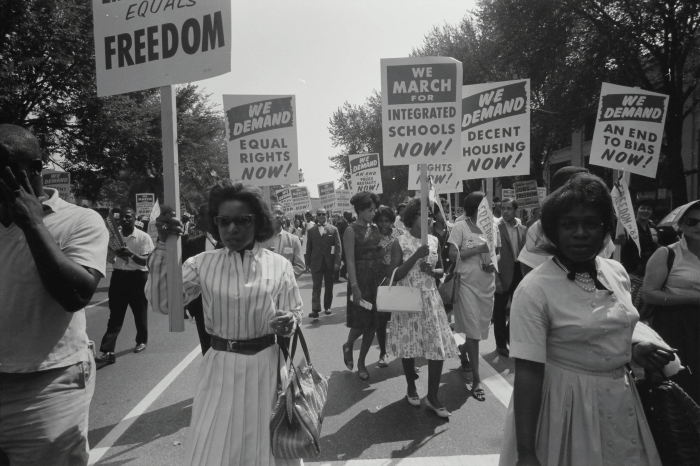
February is Black History Month—and we love that it gives us reason to pause and celebrate. Started in 1926 by Carter G. Woodson (a.k.a. the “father of Black history”) it was originally a week-long observance that coincided with the birthdates of both former U.S. President Abraham Lincoln and social reformer Frederick Douglass, who played a significant role in helping to end slavery. In 1976, President Gerrald Ford officially recognized Black history for the entire month. In his speech, he urged Americans to “seize the opportunity to honor the too-often neglected accomplishments of Black Americans in every area of endeavor throughout our history.”
At Credit Human, we believe those accomplishments deserve to be heard. We’re shining a light on Black voices who’ve shaped finance past and present, why their work matters for all of us and how to advocate for financial inclusion and equity beyond this important month.
Why Black representation matters
Black Americans are a big part of our country, but they’re still underrepresented in the financial world. While they make up nearly 13% of the U.S. population, only 5% work in financial services—and that gap shows up in wealth and homeownership, too1. These disparities aren’t just numbers; they reflect a long history of inequality and limited access to tools that help build wealth, like investments, retirement accounts and homeownership. When Black voices are missing from the financial industry, communities lose access to trusted advisors and systems that understand their unique challenges.
Increasing representation is more than fairness. It’s about creating opportunities, building trust and helping close the wealth gap so everyone has a chance to thrive. When communities don’t see themselves in the systems that manage money, such as banking, lending or investing, they’re less likely to be served well, to be approved for credit fairly or to get advice that fits their lives. Closing representation and wealth gaps is part of closing the stress gap, too.
A brief history of Black American accomplishments in finance
Throughout U.S. history, Black Americans have faced systemic barriers to financial inclusion—stemming from slavery, segregation and discriminatory policies and practices—resulting in significant wealth disparities. Those obstacles didn’t just disappear; they left a lasting mark. Black families today typically hold just 23 cents for every dollar of white family wealth2, underscoring persistent inequities. In the face of systemic exclusion—Wall Street itself was once a slave market—it was nearly two centuries before the first Black person, Joseph L Searle III, gained membership in the New Your Stock Exchange.
Despite such daunting obstacles, Black leaders have persevered, breaking barriers and forging new pathways in finance. These trailblazers include remarkable individuals like Maggie Lena Walker, the first Black woman to charter and lead a U.S. bank with her establishment of St. Luke Penny Savings Bank in 1903; Norman McGhee Sr., pioneer founder of the first Black-owned brokerage firm in 1952; and Clifton Wharton Jr. who became one of the first Black CEOs of a Fortune 500 company and later a deputy secretary of state, serving in the Clinton administration.
These leaders didn’t just open doors, they built new ones. Now, a new generation is carrying this important work forward.
Black voices shaping finance today
While early pioneers laid the foundation for progress, today’s leaders continue the fight for equity in a financial system still marked by disparities. This list highlights just a handful of Black finance leaders and experts who are reshaping how we think and talk about money. From content creators to authors and CEOs, these individuals are helping communities build wealth, navigate financial trauma and reclaim financial narratives, while advocating for financial inclusion and equity.
- Imani Moise, Wall Street Journal Reporter
Imani is an award-winning journalist writing about how technology is changing the way we spend, save and invest. Her coverage of the U.S banking industry has forced a public apology from an airlines CEO for discriminatory practices and been cited at congressional hearings. Her work is insightful and a driving force for holding public figures accountable for inclusive business practices. - Christopher Phelps, Founder of Financipation
Christopher’s journey began in a military household, where discipline and education were emphasized, but it was his own experience navigating the complexities of personal finance that led him to inspire others. He regularly shares insights on building wealth, the importance of financial literacy and how he uses his company to help individuals from underrepresented communities break the cycle of financial struggle. - Sheena Allen, Entrepreneur and motivational speaker
After growing up in a small Mississippi town with one bank, Sheena Allen couldn’t help but notice the impact it had on her community. Seeing family members store their money at home and her community frequently fall victim to the high fees of banking alternatives was deeply unsettling for Allen. So, in 2016, she founded her second venture, CapWay, a financial tech company for unbanked and underbanked adults in need. Her latest venture, Rich Lessons, is a podcast and platform providing rich lessons on business, life and everything in between. - Dasha Kennedy, Founder of The Broke Black Girl
Dasha is a financial activist, advocate and educator who is passionate about helping Black women achieve financial independence and stability. In her book Moving Beyond Broke, she shares how she walked the path from financial hardship to financial empowerment and how to rewrite financial narratives, break barriers and create a legacy of wealth. A single mom and entrepreneur, her mission is to bring financial awareness to communities that have often been overlooked and underserved and encourages tough money conversations around estate planning and the racial wealth gap. - Aaron Mitchell, former Director of Human Resources for Netflix
As a director of HR for one of the largest and fastest growing animation studios in history, Aaron made history of his own when he successfully wrote and implemented a proposal for Netflix to contribute roughly $100 million of their profits to support Black-owned banks and communities. He is a perfect example of how to be an advocate for change without coming from a financial background. He is featured in podcasts and a Netflix series “Banking Black” where he offers advice for listeners on the importance of self-care and being authentic.
Each of these leaders pairs expertise with advocacy by addressing financial trauma, pushing for fairer systems and offering practical tools so more people can participate and prosper. Their contributions are a testament to the power of Black voices in shaping the future of finance.
What you can do
Black history is American history. It’s not just a month; it’s a living, breathing, evolving story that deserves to be chronicled and celebrated every day.
Initially, Black History Month was a way of teaching students and young people about Black and African-Americans’ contributions to America. Now, it’s a celebration of those who’ve impacted not just the country but the world with their activism and achievements. For many, Black History Month is an opportunity to reimagine what possibilities lie ahead. At Credit Human, we recognize that the forces that started the movement over a century ago are more relevant than ever. We believe honoring this history means taking action by supporting financial health for all and advocating for equity every day. That’s why we partner with black-owned local businesses and nonprofit organizations throughout the communities we serve to offer free financial literacy classes every month. This effort is more than community service—it’s a transformative investment in the financial future of those we serve.
Join us in this important work:
- Learn and follow the leaders above and share their work with a friend or colleague.
- Support Black-owned businesses that reinvest locally.
- Take advantage of free financial education opportunities by visiting your nearest Financial Health Center to learn more about our classes. Each Financial Health Center partners with the businesses closest to them to ensure the neighborhoods we serve can build financial resilience in a sustainable way. Because when you’re financially healthy, your community is too.
If you’re feeling financial stress, visit a Financial Health Center. Whether it’s spending, saving, debt or buying a home, we’ll meet you where you are, judgement free, and help you build a plan that fits your life.
References:
- CFA Institute. Racial and Ethnic Diversity in Finance. n.d.
- Board of Governors of the Federal Reserve System. Disparities in Wealth by Race and Ethnicity in the 2019 Survey of Consumer Finances. September 28, 2020.