



In today’s digital-first world, it’s easy to assume that old-fashioned paper checks, and the dangers associated with them, are a thing of the past. But for scammers, checks are still a prime target for fraud, and check fraud is on the rise. Whether you’re writing checks to pay your bills, receiving one in the mail or using them for business transactions, it’s important to stay informed and vigilant.
At Credit Human, we believe financial wellness includes protecting your money from fraud. That’s why we’re here to help you understand what check fraud is, how it works and what you can do to prevent it.
What is check fraud?
Check fraud happens when someone uses a check, either real or fake, in a dishonest way to steal money. This can include forging signatures, altering legitimate checks (a tactic known as “check washing”) or using counterfeit checks to make unauthorized purchases or withdrawals.
Scammers are getting more sophisticated, using high-quality printers and software to create checks that look legitimate. They often target individuals and businesses through the mail, online job postings or even social media.
Common check fraud scams
The Federal Trade Commission (FTC) outlines several types of fake check scams that are especially common today.
- Loan scams
Loan scams trick people by promising easy loans if they pay money upfront, but the loans never come. Some scams even pretend to offer government grants. Either way, the scammer just takes the "down payment" money and never pays anything out. Some scammers go even further and send you a fraudulent check for the amount of the "loan." Most commonly, this scam starts when you find what appears to be a legitimate loan company online, often advertising "no credit checks" and "instant approvals" or even "guaranteed approvals." After applying, you’re told to expect a check in the mail. The check arrives, and you immediately deposit the check and begin using the funds, only to discover days later that the check has bounced. At that point, you are left in a worse spot than where you started and you are now responsible for paying back the negative balance. - Prize scams
You’re told you’ve won a sweepstakes and receive a check to cover “taxes and fees,” along with instructions on where to send payment to receive your full prize. You deposit the check and make the required payment before the check has time to clear your account. However, the check is fraudulent so the money you send to receive your prize came out of your own pocket. Legitimate sweepstakes never ask for money upfront. - Overpayment scams
Someone buying something from you sends a check for more than the agreed price and asks you to refund the difference. The check later bounces. This often, although not exclusively, happens on sales negotiated through social media or online platforms or other peer-to-peer marketplaces because the transactions are not well tracked. - Personal assistant scams
You apply for a job online and receive a check for payment to buy gift cards for clients. The scammer tells you to send the gift cards to a third party, and the rest of the money will cover your salary or fee. However, once you send the gift cards, the scammer disappears, the check doesn’t clear at the bank because it is fake and you are left with bounced check fees and expenses that might not be refundable. - Mystery shopper scams.
You’re “hired” to evaluate a store and receive a check to cover your expenses. You’re told to wire part of the money to someone else to pay for taxes, fees or some other reason, but the check is fake. - Car wrap scams
A company offers to pay you to wrap your car in advertising. You get a check and are told to pay the installer by money order, a payment app or by wiring money. But the installer doesn’t exist, and the check issued was fake, which means the money you sent came out of your own personal funds.
These scams work because banks are required to make funds from deposited checks available quickly, often within a day or two. But it can take weeks for a bank to discover that a check is fake. By then, the scammer has your money, and you’re left responsible for repaying the bank.
Red flags to watch for
There are several warning signs that could indicate check fraud:
- Someone asks you for personal banking information to deposit a loan or check.
- You feel pressure to act quickly.
- The offer promises guaranteed approval for a loan without any credit review or collateral.
- You notice unfamiliar deposits or check transactions on your bank statements.
- Your bank contacts you about checks you didn’t write
- You receive a check in the mail from someone you don’t know, often tied to a job offer, prize or investment.
- You’re asked to deposit a check and send money back to someone.
- You receive a check that is for more than expected (called overpayment), and you’re asked to refund the difference.
If any of these sounds familiar, it’s time to pause and investigate before taking action. Credit Human is always available to help figure out if something is real or fake. If you think you might be experiencing check fraud, call our Member Service Center, toll free, at 1-800-688-7228 or visit a Financial Health Center to get guidance in person.
How to protect yourself from check fraud
Fortunately, there are simple steps you can take to reduce your risk of falling victim to check fraud.
- Monitor your accounts regularly
Set up digital banking alerts for all transactions and review your bank statements frequently. Catching suspicious activity early can make a big difference. - Use black gel ink
When writing checks, use black gel ink. It’s more resistant to “check washing,” a scam where criminals use chemicals to erase ink and rewrite the check. - Handle mail carefully
Retrieve your mail promptly and avoid leaving it in your mailbox overnight. If you’re sending checks, consider using the secure letter slots inside your local post office. - Be skeptical of unsolicited offers
If someone contacts you out of the blue with a check and requests that you send money back to them, it’s likely a scam. There’s no legitimate reason for someone to send you a check and ask for money back. - Know who you’re dealing with
Don’t deposit checks to wire money, send gift cards or transfer funds to someone you don’t know personally. If something feels off, trust your instincts.
What to do if you suspect check fraud
If you think you’ve received a fraudulent check or fallen for a scam, don’t panic but do act quickly. Here’s are your next steps:
- Contact us immediately
Let us know about the suspicious transaction. We can help you dispute charges and may recommend closing your account and opening a new one. See how to report suspicious activity and submit transaction disputes in our Security Center or log in to dispute transactions directly through the secured forms in digital banking. - Report the fraud
- Federal Trade Commission (FTC): Visit IdentityTheft.gov or call 1-877-438-4338
- Internet Crime Complaint Center (IC3): If the fraud involved online contact, submit a complaint online at ic3.gov.
- U.S. Postal Inspection Service (USPIS): For mail-related scams, visit uspis.gov or call 1-877-876-2455.
- File a police report
Your local law enforcement agency can help document the fraud and provide a report for your bank or credit bureau. - Recover your identity or stolen funds
Contact the Identity Theft Resource Center, a non-profit organization supporting victims of identity theft, fraud and scams.
Credit Human is here to help
At Credit Human, we’re more than just a financial institution. We’re your partner in protecting your financial wellness. We understand fraud can feel overwhelming, but you’re not alone. Our team is here to support you with tools, resources and guidance to help you stay safe.
If you think you’ve been affected by check fraud, don’t wait. Contact us right away so we can help you take the next steps and protect your account. Whether it’s reviewing suspicious activity, securing your account or helping you report the fraud, we’re here for you.
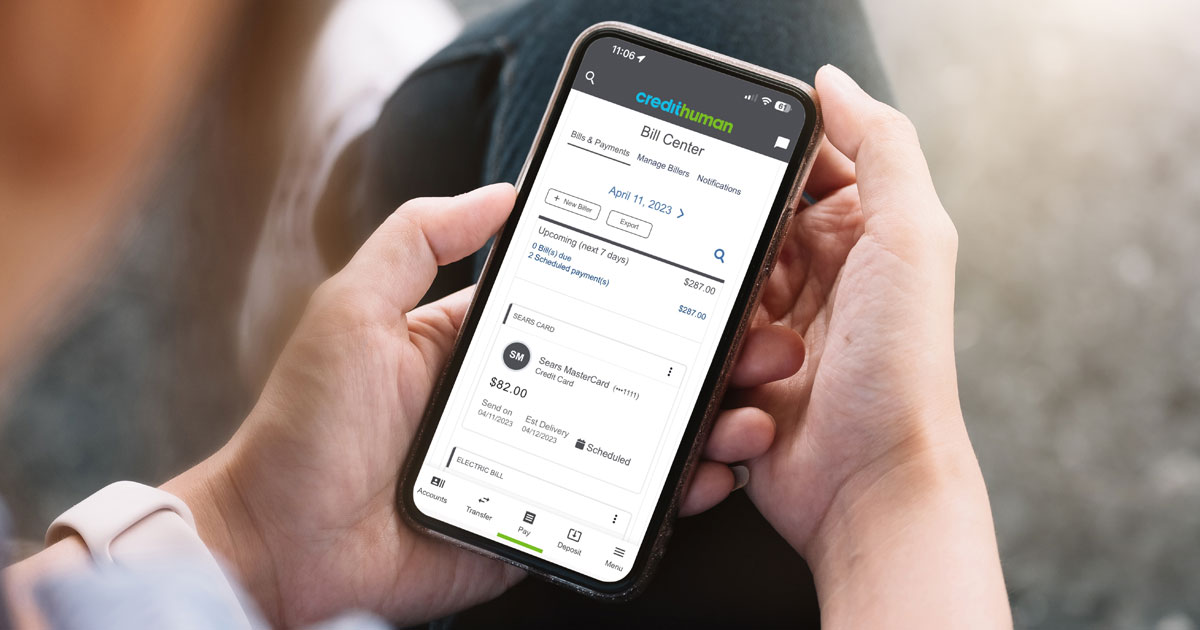
Before you go: Learn how to customize digital banking alerts to protect your money and how to ensure your finances are fraud and scam free.
.png)